
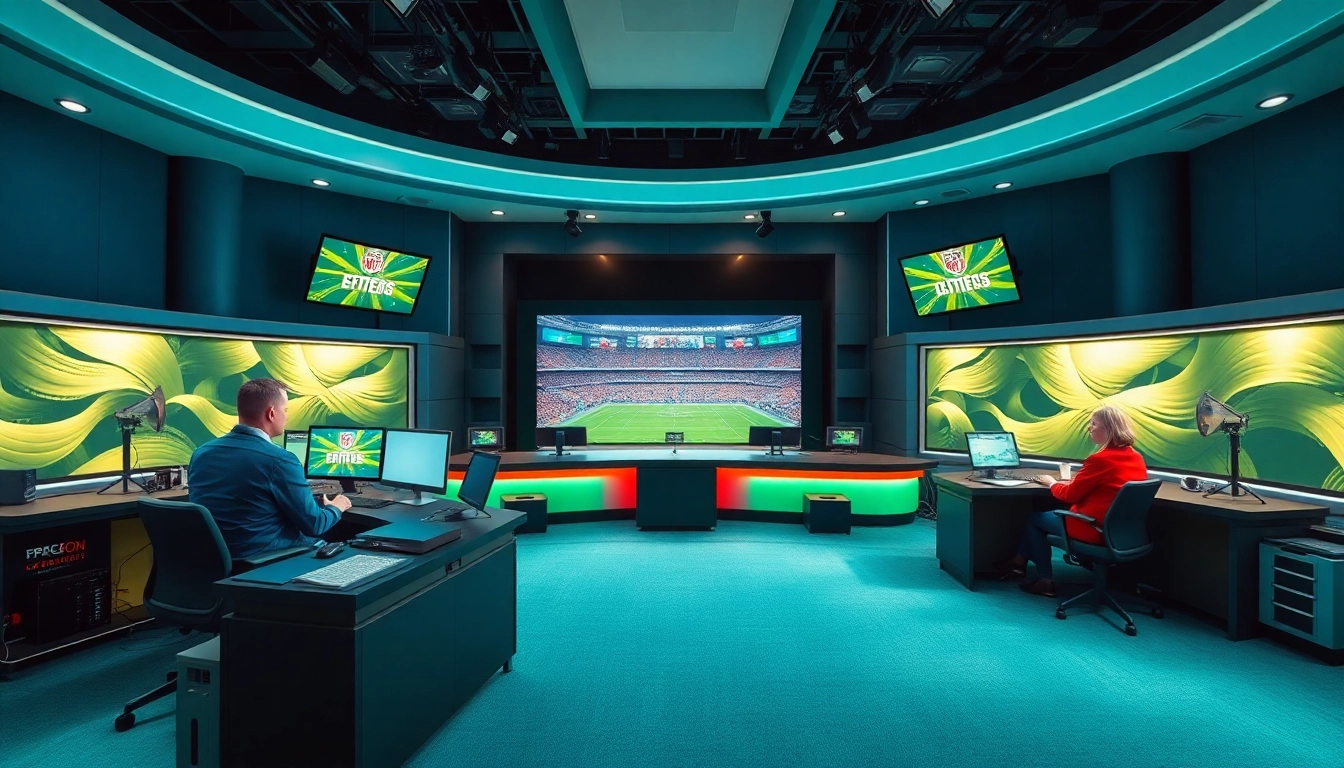
In today’s fast-paced digital landscape, Sports Broadcasting has transformed into a multifaceted field that extends beyond mere live coverage of events. With the advent of technology, increased viewer expectations, and diverse content delivery methods, understanding the fundamentals of sports broadcasting is more important than ever. This article aims to delve deep into the essentials of sports broadcasting, exploring its technical aspects, content creation strategies, emerging trends, and metrics for measuring success.
Understanding Sports Broadcasting Fundamentals
What is Sports Broadcasting?
Sports broadcasting refers to the live transmission of sporting events over various platforms, including television, radio, and online streaming. This practice involves not just the visual display of games but also the accompanying commentary and analysis that enriches the viewer’s experience. It is essential for connecting fans with their favorite sports teams and events, allowing them to participate in the excitement from the comfort of their homes.
Key Roles in Sports Broadcasting
Successful sports broadcasting relies on a diverse team of skilled professionals, each fulfilling critical roles. Key positions include:
- Commentators and Analysts: They provide live commentary, helping to interpret the action and offering insights that enhance viewer understanding.
- Producers: Responsible for coordinating the technical and creative elements of a broadcast, ensuring smooth operation.
- Camera Operators: Crucial for capturing every significant moment from multiple angles, enhancing the visual experience.
- Technical Staff: They manage broadcasting equipment, ensuring that audio, video, and transmission processes are seamless.
Importance of Live Coverage
Live coverage is the lifeblood of sports broadcasting. It creates a sense of immediacy and connection rarely achieved through recorded content. Fans thrive on the excitement of experiencing events as they unfold, whether through the thrill of unexpected moments or the tension of a last-minute victory. Furthermore, real-time broadcasting allows for instant engagement through social media channels, amplifying the experience for viewers at home.
Technical Aspects of Sports Broadcasting
Equipment Used in Sports Broadcasting
The technical foundation of sports broadcasting is built on a range of sophisticated equipment designed to capture and transmit high-quality audio-visual content. Key equipment includes:
- Cameras: High-definition cameras with zoom and stabilization features are essential for capturing fast-paced action during sports events.
- Microphones: Wireless and shotgun microphones help in capturing clear sound, crucial for commentary and on-field interviews.
- Mixers and Switchers: These devices are used to balance audio sources and switch between camera feeds, contributing to the overall production quality.
- Broadcast Servers: Essential for storing, processing, and distributing content reliably and efficiently.
Broadcasting Software and Tools
In addition to hardware, broadcasting software plays a vital role in enhancing production efficiency and quality. Popular tools include:
- Video Editing Software: Programs like Adobe Premiere Pro and Final Cut Pro help create highlight reels and package content for broadcast.
- Graphics Creation Tools: Software like After Effects is used to create engaging graphics overlays that display scores, stats, and player information in real-time.
- Streaming Platforms: Services such as OBS Studio and Wirecast are pivotal for live streaming and ensuring a smooth transition from the studio to broadcast.
Streamlining Production Processes
Efficiency in production can significantly affect overall broadcast quality. Streamlining processes includes creating detailed schedules, employing checklists for technical configurations, and conducting rehearsals before live events. Utilizing cloud-based tools for collaboration among team members can also enhance communication and decrease the chances of errors during live broadcasts.
Content Creation in Sports Broadcasting
Developing Engaging Content
Creating compelling content is critical to retaining and attracting viewers in a saturated market. Engaging content may involve revealing behind-the-scenes stories, featuring player interviews, and delving into audience interests. Additionally, incorporating interactive segments, such as instant polling during broadcasts, can create a sense of community among viewers.
Storytelling Techniques in Broadcasting
Effective storytelling is pivotal in capturing the audience’s attention. Broadcasters often use narrative techniques to engage viewers:
- Highlighting dramatic moments or pivotal games to draw viewers into the emotional core of sports.
- Providing historical context around teams, players, or rivalries to enhance viewer understanding and investment in the game.
- Creating character-driven narratives, showcasing athletes’ journeys and challenges outside the field, which resonates with fans on a personal level.
Audience Engagement Strategies
To foster a loyal viewer base, broadcasters need to implement strategies for audience engagement. Some effective tactics include:
- Social Media Integration: Actively responding to fans on platforms like Twitter or Instagram encourages a two-way dialogue and makes viewers feel valued.
- Contests and Giveaways: Implementing fun contests or giveaways during broadcasts can increase interaction and anticipation among viewers.
- Fan Polls and Questions: Incorporating polls asking for viewer opinions on game predictions or player performances can boost engagement levels.
Trends Reshaping Sports Broadcasting
Impact of Streaming Services
The rise of streaming services has revolutionized how fans consume sports content. Platforms such as Netflix, Hulu, and dedicated sports streaming services provide viewers with on-demand access to a wide range of sports programming. This shift has necessitated traditional broadcasters to adapt by offering their own streaming options, ensuring they remain competitive by providing flexibility to viewers who may prefer watching on tablets or smartphones.
Use of Social Media in Broadcasting
Social media has become a cornerstone of sports broadcasting, allowing real-time engagement during events. Broadcasters utilize social media platforms not only to promote upcoming broadcasts but also to share live updates, highlights, and player interactions. This multi-channel approach enhances reach and creates an immersive experience, allowing fans to engage in discussions while enjoying the game.
Interactive Broadcasting Technologies
Technological advancements continue to reshape the industry, with innovations such as Virtual Reality (VR) and Augmented Reality (AR) enhancing the viewer experience. These technologies allow fans to explore games from different perspectives and receive information overlays about player stats and strategies, making the viewing experience more immersive and engaging than ever before.
Measuring Success in Sports Broadcasting
Key Performance Indicators
Understanding success in sports broadcasting requires analyzing various Key Performance Indicators (KPIs). Essential KPIs include:
- Viewer Ratings: Tracking viewership numbers helps determine how many people are tuning in to specific broadcasts.
- Engagement Metrics: Measuring social media interactions, comments, and shares provides insight into how content resonates with audiences.
- Viewer Retention Rates: Analyzing how long viewers stay engaged during broadcasts can indicate content quality and delivery effectiveness.
Analyzing Viewer Engagement
Viewer engagement isn’t just about numbers; it’s also about understanding audience behavior. Analyzing viewer feedback through surveys or social media interactions can reveal preferences, pain points, and areas for improvement. This information is invaluable for guiding future content creation and broadcast strategies that align with audience interests.
Continuous Improvement Strategies
To maintain a competitive edge, sports broadcasters must adopt a philosophy of continuous improvement. This can involve investing in training sessions for staff, experimenting with new technologies, and seeking feedback from viewers. Regularly reviewing success metrics helps identify areas needing attention, enabling broadcasters to refine their approach in real time.
FAQs About Sports Broadcasting
What skills are essential for sports broadcasters?
Key skills include strong communication, quick thinking, in-depth sports knowledge, and an engaging personality. These abilities help convey information clearly and captivate audiences, making broadcasts enjoyable.
How has technology changed sports broadcasting?
Technology has enhanced production quality, introduced streaming options, and enabled interactive viewer engagement. These changes cater to evolving audience demands and preferences.
What are the roles in a sports broadcasting team?
Key roles include the host, commentators, producers, camera operators, and technical staff responsible for the broadcasting process. Collaboration among these roles ensures a smooth operation.
How can I improve my sports broadcasting skills?
Practice regularly, watch experienced broadcasters, get feedback, and learn about the latest broadcasting technologies and techniques to enhance your skills and effectiveness.
What trends are currently impacting sports broadcasting?
Major trends include integrated social media content, enhanced viewer interaction, and the rise of on-demand streaming services. These trends shape how sports content is delivered and consumed.