
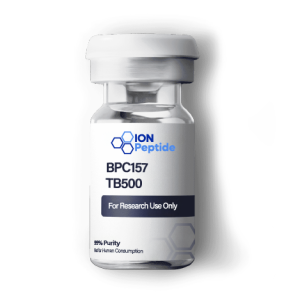
The Role of Peptides in Modern Science
In the intricate tapestry of modern biology, peptides play a crucial role, acting as signaling molecules that facilitate communication within and between cells. Their diverse functions and adaptability have captured the attention of scientists and clinicians alike. This article delves into the fascinating world of peptides, focusing specifically on a combination known as BPC157+TB500, which has garnered interest for its therapeutic potential.
What Are Peptides?
Peptides are short chains of amino acids that constitute the building blocks of proteins. Typically, they are composed of 2 to 50 amino acids and can be categorized into various types based on their structure and function. Most notably, these include regulatory peptides, signaling peptides, and neuropeptides, each serving unique roles in biological processes.
How Peptides Impact Biological Functions
Peptides are integral to many biological functions, such as hormone regulation, immune response, and tissue repair. For instance, oxytocin, a peptide, is crucial for social bonding and reproduction, while insulin is vital for glucose metabolism. This versatility makes peptides essential for homeostasis and overall health.
Overview of Peptide Classification
Peptides can be classified based on their origin (natural or synthetic), function (hormonal, neurotransmitter, or antimicrobial), and structure (linear, cyclic, or branched). This classification helps researchers identify and develop specific peptides for targeted therapeutic applications, paving the way for innovations in medicine and biotechnology.
Insights into BPC157+TB500
The combination of BPC157 and TB500 has become a focal point in peptide research, particularly concerning its applications in healing and recovery. Understanding these peptides individually is critical to appreciating their synergistic potential when used together.
Defining BPC157 and TB500
BPC157, or Body Protection Compound 157, is a peptide derived from a protein found in the stomach. It is known for its regenerative properties and has been linked to various healing processes, including tendon and ligament repair. TB500, or Thymosin Beta-4, is a peptide that promotes cell migration, proliferation, and differentiation. Both peptides are crucial in developing regenerative medicine strategies.
Mechanisms of Action and Benefits
The mechanisms underlying the effects of BPC157 and TB500 are multifaceted. BPC157 enhances blood flow and promotes angiogenesis, while TB500 accelerates healing by modifying the inflammatory response and promoting cell migration. Together, they facilitate a comprehensive approach to repair by addressing various aspects of the healing process, whether in muscles, tendons, or ligaments.
Common Applications in Research
Research into BPC157 and TB500 has led to promising findings across different domains, such as sports medicine, orthopedics, and regenerative therapies. Athletes have turned to these peptides for their potential to expedite recovery time and enhance performance. Furthermore, animal studies have demonstrated significant healing advantages in conditions like acute injuries and chronic pain.
Evaluating Safety and Usage Guidelines
As interest in BPC157+TB500 grows, understanding the safety profile of these peptides and their proper usage becomes imperative. Evaluating this information ensures users can harness benefits while minimizing risks.
Safety Profile of BPC157+TB500
Research indicates that both BPC157 and TB500 exhibit a favorable safety profile, with few reported side effects. The peptides are generally well-tolerated in animal studies, showing minimal toxicity. However, human studies are still limited, making cautious use under professional guidance advisable.
Dosing Recommendations
Optimal dosing strategies for BPC157 and TB500 can vary depending on individual goals and conditions. For instance, common dosing protocols suggest 200-500 micrograms of BPC157 and 2-5 milligrams of TB500 per week, typically administered via subcutaneous injection. Consulting with a healthcare professional is crucial to determining the ideal regimen for specific needs.
Potential Side Effects
While adverse effects are rare, users might experience mild side effects such as irritation at the injection site or transient headache. Monitoring one’s response post-administration is essential, and any unforeseen symptoms should prompt immediate consultation with a medical professional.
Combining Peptides for Enhanced Effects
The concept of pairing peptides for enhanced therapeutic effects is garnering traction in scientific discussions. BPC157+TB500 exemplifies this synergy, indicating the potential of combination therapy.
Synergistic Benefits of Combining Peptides
The benefits of combining BPC157 and TB500 can be attributed to their complementary mechanisms. While BPC157 targets localized inflammation and enhances blood flow, TB500 facilitates broader tissue repair through cellular migration. This combination can yield faster and more comprehensive recovery in injured tissues.
Research on Compound Interactions
Studies examining the interactions between BPC157 and TB500 are still emerging. Initial findings suggest that using these peptides together may amplify their individual effects. Innovative experiments explore optimal concentrations and delivery methods to maximize healing potential.
Optimal Pairing Strategies
For effective peptide therapy, it is recommended to stagger doses of BPC157 and TB500 throughout the week, allowing for continuous therapeutic effects. This strategy may help in maintaining a stable presence of both peptides in the system, optimizing their synergistic potential for recovery.
Future Directions in Peptide Research
The landscape of peptide research is rapidly evolving, with increasing attention towards their clinical applications and therapeutic potentials. Innovations in this field promise to unveil new possibilities for treatment paradigms.
Emerging Trends and Innovations
Recent trends indicate a growing emphasis on personalized medicine in peptide therapies. Researchers are investigating the role of genetic factors in peptide effectiveness, aiming to tailor treatments for maximal efficacy. Moreover, advances in peptide synthesis and delivery systems are expected to enhance usability.
Potential for Clinical Applications
The potential applications of peptides extend far beyond what is currently explored. Anticipated advancements include targeted peptide therapies for conditions such as fibromyalgia, chronic pain, and sports-related injuries, making peptide research a frontier in regenerative medicine.
Challenges in Peptide Development
Despite the promising potential of peptides, several challenges remain in their development. Issues such as stability, bioavailability, and regulatory concerns can impede progress. Addressing these challenges through innovative research and technology is vital for the successful transition of peptide therapies from lab to clinic.
FAQs about Peptides and BPC157+TB500
What is BPC157?
BPC157 is a peptide derived from a protein in the stomach that promotes healing, particularly in tendons, ligaments, and muscles.
How does TB500 work?
TB500 promotes healing by enhancing cell migration and reducing inflammation, playing a critical role in tissue recovery and regeneration.
Are there any side effects with BPC157 and TB500?
Generally, both peptides have a favorable safety profile, with mild side effects like injection site irritation or transient headaches being the most common.
How can I use BPC157+TB500?
The suggested dosage involves subcutaneous injections, typically varying between 200-500 micrograms of BPC157 and 2-5 mg of TB500 per week.
Can combining peptides enhance recovery?
Yes, combining peptides like BPC157 and TB500 may offer synergistic benefits, promoting faster and more comprehensive tissue recovery.