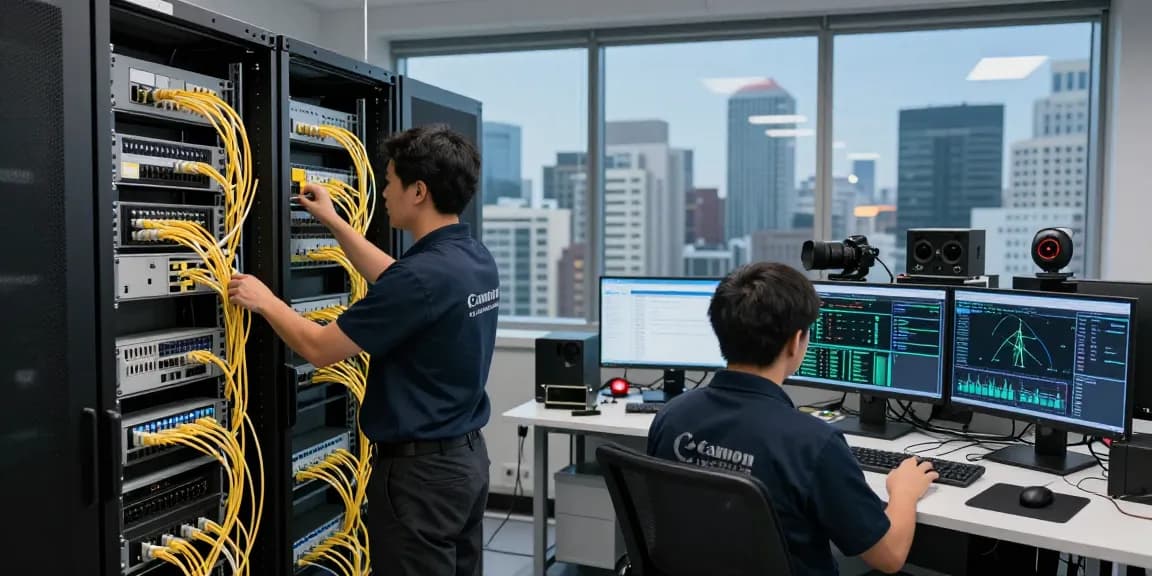
Understanding Fiber Connectivity
In today's data-driven landscape, fiber connectivity plays a pivotal role in enabling reliable and high-speed communication. As organizations increasingly rely on robust networks for their operational efficiency, understanding the significance and function of fiber connectivity becomes imperative for success. This article explores the various facets of fiber connectivity, from its foundational elements to emerging trends that shape its future.
What is Fiber Connectivity?
Fiber connectivity refers to the use of fiber optic cables to transmit data as light signals through strands of glass or plastic fibers. This technology leverages the principles of total internal reflection to allow for high-speed data transmission over long distances with minimal loss. Unlike traditional copper cables, which transmit electrical signals, fiber optics can support significantly higher bandwidths, making them ideal for modern networking needs.
Importance of Fiber Connectivity in Modern Networks
The importance of fiber connectivity cannot be overstated, particularly as we enter an era dominated by data-intensive applications. Industries from telecommunications to healthcare and finance depend on high-performance networks that can handle vast amounts of data traffic. Fiber optics provide the necessary infrastructure to support cloud computing, artificial intelligence, and the Internet of Things (IoT), enabling seamless communication and data exchange.
Key Components of Fiber Optic Systems
- Fiber Optic Cables: These cables consist of a core, cladding, and protective layers, designed to transmit light signals efficiently.
- Connectors: Essential for linking various fiber segments and devices, ensuring a robust and reliable connection.
- Transceivers: These devices convert electrical signals into optical signals and vice versa, facilitating communication between devices.
- Splice Enclosures: Used to protect and organize the splices between different fiber strands, ensuring integrity and performance.
Benefits of Fiber Connectivity in 2026
As we look ahead to 2026, the benefits of fiber connectivity continue to grow, driven by advancements in technology and increased bandwidth demands. Businesses seeking to optimize their network infrastructure will find fiber optics to be a superior choice.
Enhanced Speed and Bandwidth Capabilities
One of the most significant advantages of fiber connectivity is its ability to support incredibly high speeds, greatly exceeding those of copper alternatives. Today’s fiber optic systems can handle speeds of up to 400 Gbps and beyond, making them indispensable for data centers and enterprise networks that require rapid data transfer rates. This enhanced bandwidth capacity facilitates real-time data processing and communications across various platforms.
Improving Network Reliability and Performance
Fiber optic networks are less susceptible to electromagnetic interference, ensuring consistent performance even in challenging environments. This reliability is crucial for mission-critical applications, particularly in sectors such as finance, healthcare, and telecommunications, where data integrity and uptime are paramount.
Cost-Effectiveness of Fiber Solutions
While the initial installation of fiber optic infrastructure may be higher than that of copper cabling, the long-term savings associated with fiber solutions can be significant. Fiber cables require less maintenance and have a longer lifespan, allowing businesses to allocate their resources more efficiently and reduce overall operational costs.
Common Challenges in Implementing Fiber Connectivity
Despite its myriad benefits, organizations may encounter challenges when implementing fiber connectivity. Addressing these challenges proactively can streamline the transition to fiber optic systems.
Installation and Maintenance Obstacles
The installation of fiber optic networks requires specialized skills and equipment, which can pose a barrier for some companies. Additionally, maintenance and repairs necessitate technical expertise to ensure proper handling of fragile fiber strands. Partnering with experienced vendors like FiberElectronics can mitigate these challenges, providing the necessary support.
Understanding Compliance and Standards
Fiber optic systems must adhere to various compliance standards, including ISO certifications and industry regulations. Staying informed about these standards is critical for companies looking to implement fiber connectivity, as non-compliance can lead to penalties or operational disruptions.
Addressing Infrastructure Limitations
In some instances, existing infrastructure may not support fiber connectivity upgrades. Businesses in older buildings may face difficulties in retrofitting fiber systems due to structural constraints. Conducting a thorough assessment of current infrastructures can help identify potential roadblocks early in the planning process.
Best Practices for Optimizing Fiber Connectivity
To fully leverage the advantages of fiber connectivity, organizations should adopt best practices that enhance network performance and reliability.
Effective Network Design Strategies
Careful planning and design are vital when implementing fiber optic systems. This includes determining the appropriate cable types, lengths, and layouts to accommodate projected data traffic. Engaging with network professionals can provide insights into the most effective configurations for specific operational needs.
Utilizing the Preferred Customer Pricing Program
Implementing a Preferred Customer Pricing Program (PCPP) offers significant cost advantages for organizations regularly purchasing fiber optic components. This program ensures fast access to high-quality products at pre-negotiated prices, streamlining procurement while improving budget management.
Real-World Case Studies of Successful Implementation
Companies that have successfully integrated fiber connectivity into their operations often share valuable insights. For instance, leading networks such as NYSE and Facebook leverage fiber optics to enhance their data handling capabilities, showcasing the transformative impact of adopting cutting-edge fiber solutions.
Future Trends in Fiber Connectivity
The landscape of fiber connectivity is rapidly evolving, with several trends poised to shape its future by 2026 and beyond.
Emerging Technologies in Fiber Optics
Technological advancements, including Co-Packaged Optics and silicon photonics, are set to revolutionize fiber connectivity. These innovations promise to enhance data transmission efficiency and reduce latency, thereby supporting the increasingly demanding requirements of modern networks.
Predictions for Fiber Connectivity Beyond 2026
Looking ahead, the expansion of 5G technology and the growth of data centers will likely fuel the demand for fiber optics. Companies that adopt and integrate advanced fiber connectivity solutions early will position themselves advantageously in an increasingly competitive landscape.
The Role of Fiber Connectivity in AI Infrastructure
As artificial intelligence continues to drive transformation across industries, fiber connectivity will play a crucial role in supporting the vast data processing needs of AI applications. High-speed, low-latency fiber connections will be essential for enabling real-time data analysis and machine learning operations.
What are the advantages of fiber connectivity?
The primary advantages of fiber connectivity include higher bandwidth capabilities, enhanced reliability, and long-term cost-effectiveness. These benefits make fiber optics ideal for organizations looking to future-proof their networks.
How to choose the right fiber optic solution for my needs?
Choosing the right fiber optic solution involves assessing your organization's specific needs, including bandwidth requirements, distance, and environmental conditions. Consulting with industry experts can provide tailored recommendations based on these factors.
What industries benefit most from fiber connectivity?
Industries such as telecommunications, finance, healthcare, and education stand to gain significantly from fiber connectivity due to their high data demands and need for reliable, real-time communication.
How does fiber connectivity compare to traditional copper cabling?
Compared to traditional copper cabling, fiber connectivity offers superior speed, bandwidth, and immunity to electromagnetic interference. These advantages translate to better performance and reliability, making fiber optics the preferred choice for modern networks.