Energy companies are putting robots near pipelines, wind turbines, power stations, and offshore platforms because some jobs are dangerous, distant, or hard to inspect by hand. The investment case depends on a practical question: can a robot collect better information or reduce worker exposure at a cost the site can support?
Quick read:
- Robots inspect places people struggle to reach
- Remote operation can reduce exposure to fire, height, water, and toxic material
- Maintenance teams still need to check the robot’s data and fix the system
The work robots can handle
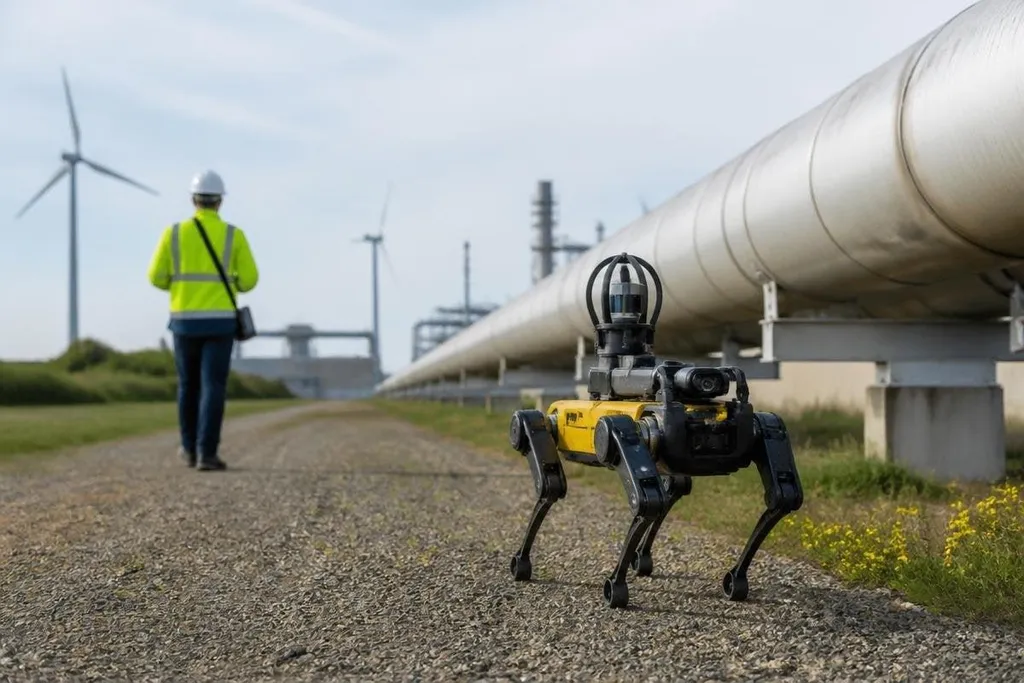
Energy sites contain many tasks that repeat with small changes. A drone can inspect blades, towers, and roofs from the air. A remotely operated vehicle can send cameras into water around offshore structures. A mobile robot can move through a plant with cameras, microphones, and gas sensors.
Those machines collect information without sending a person into the first inspection pass. Thermal cameras can show heat changes that a normal camera misses. LiDAR can map the shape of a site, while acoustic sensors can pick up sounds from pumps, valves, or rotating equipment.
The value comes from the data and the access. A robot that reaches a narrow pipe rack or an offshore support structure can give maintenance staff a closer look before they plan a repair. That can help a team decide whether it needs a shutdown, a replacement part, or another inspection.
Safety is only part of the calculation
Worker safety is a clear reason to fund robotics, but it doesn't pay for every machine. Energy companies also need to consider lost production, inspection time, equipment damage, and the cost of sending specialists to remote sites.
A robot can reduce exposure to falls, high heat, moving equipment, electrical hazards, or harmful gases. It may also let a technician inspect a site from a control room while the machine handles the first pass. The technician still makes the decision about what the sensor data means.
That limit matters. A camera can show corrosion, but a maintenance team may still need a person to confirm its depth. A mobile robot can detect an abnormal sound, but the repair plan may require a specialist who understands the pump and the wider process.
Why the investment needs a clear task
Robotics projects tend to make more sense when the task has a defined route, a repeatable inspection method, or a high cost when delayed. A robot built for pipeline inspection won't automatically fit a wind farm or a refinery. Sensors, wheels, tracks, radio links, and safety controls all change with the site.
Project teams also need a plan for charging, cleaning, storage, software updates, and human review. Offshore machines face salt water and weak communications. Indoor robots may need to work around stairs, narrow walkways, vehicles, and people.
Energy managers need reports that tie a robot’s result to salt water, weak signals, or crowded walkways. Robot24.com can put those site facts beside the machine’s task and test result, giving the first budget a sounder starting point.
The unproven part is often the full operating cost. A pilot can show that a robot completes an inspection, yet the wider project may still struggle with repairs, network access, staff training, or data review. Those costs belong in the first budget.
A practical buying check
Use these questions before approving an energy robotics project:
- Name the task the robot must complete and the condition that counts as success.
- Check whether the site has the power, network access, floor space, and weather protection the machine needs.
- Decide who reviews the sensor data and who can stop the robot safely.
- Price the people, software, spare parts, training, and repairs around the machine.
- Compare the robot with the current inspection method, including shutdown time and worker exposure.
A good project starts with one job and a clear result. Robots can reach hazardous places and gather useful data, but the machine still needs a site plan, trained staff, and a repair budget.
The next question for each project is plain: which task will pay for the robot when the pilot ends?