
Understanding Carpentry Basics
Carpentry is an essential component of home improvement, involving the cutting, shaping, and installation of building materials. From framing and roofing to custom cabinetry and furniture, carpentry takes many forms and is vital in enhancing both the functionality and aesthetics of our living spaces. As a homeowner, familiarizing yourself with basic carpentry concepts can empower you to take on DIY projects or effectively communicate with professional contractors when renovations are needed. When exploring options, carpentry offers a range of services tailored to meet diverse needs, ensuring your home reflects your style and needs.
What is Carpentry?
At its core, carpentry is a skilled trade focusing on the construction, installation, and repair of structures and fixtures made predominantly from wood. Carpenters are often involved in various tasks, including residential framing, timber construction, cabinetry, and finishing work. The expertise required in carpentry goes beyond just hammering nails; it involves precision, an understanding of materials, and mastery over various tools and techniques.
Types of Carpentry Services
- Framing: This is the skeleton of the building, providing support and shape.
- Finish Carpentry: Involves installing trim, molding, and cabinetry to enhance interior aesthetics.
- Rough Carpentry: Focuses on structural elements such as walls, roofs, and floors.
- Cabinetmaking: Specializes in creating customized cabinets and storage solutions.
- Green Carpentry: Emphasizes sustainable materials and practices in building.
Key Carpentry Techniques for Homeowners
Understanding critical carpentry techniques can help homeowners make informed decisions about their projects. Whether you are building a new deck or repairing an existing structure, these skills can prove invaluable.
Basic Carpentry Skills Everyone Should Know
Even if you’re not a professional carpenter, developing basic skills can enable you to tackle minor home improvement tasks. Some foundational skills include:
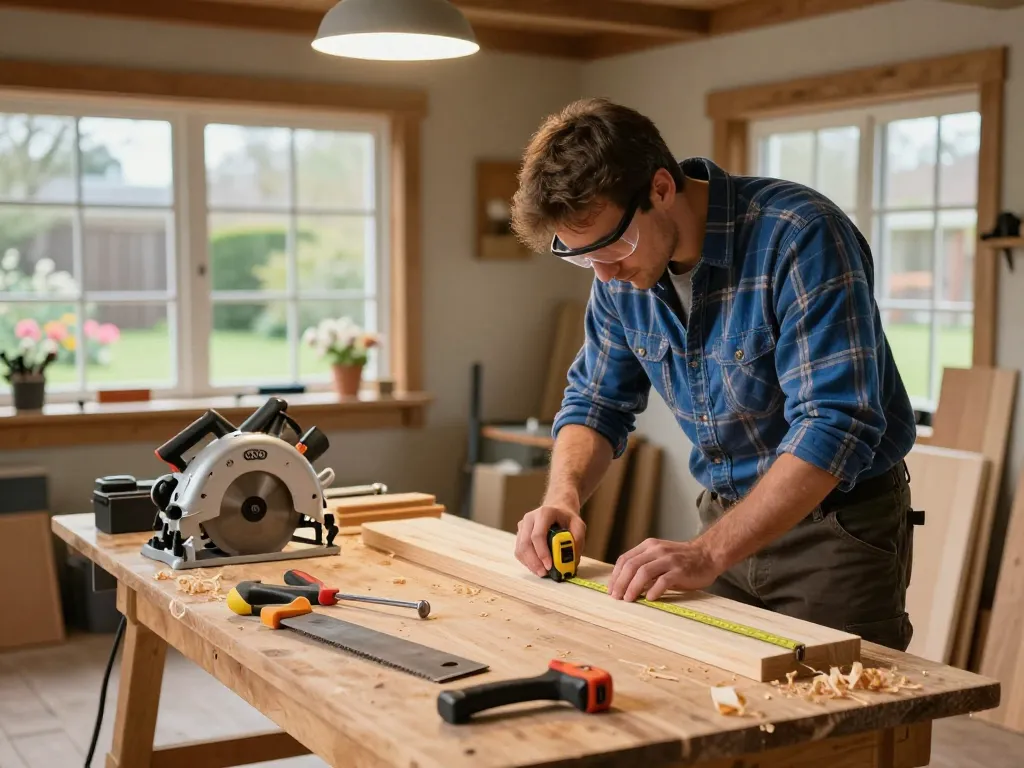
- Measuring and Marking: Accurate measurements are crucial; improper measurements can lead to costly mistakes.
- Cutting Techniques: Knowing how to use a saw properly is essential for shaping materials.
- Joining Methods: Familiarity with various joining techniques, such as nails, screws, and dowels, is fundamental.
- Leveling and Squaring: Ensuring that structures are level and square can prevent structural issues.
Advanced Carpentry for Home Renovations
When it comes to more complex projects like home renovations, advanced skills come into play. These may include:
- Framing Layouts: Understanding how to create a framing plan is essential for new construction.
- Cabinet Installation: Advanced carpenters can custom-fit cabinetry for specific spaces, enhancing usability.
- Wood Finishing: Knowledge of stains, paints, and sealants can significantly improve the appearance of woodwork.
Safety Practices in Carpentry
Safety is paramount in carpentry. Following best practices helps prevent injuries. Essential safety measures include:
- Always wearing appropriate protective gear, such as goggles and gloves.
- Understanding and using tools correctly to avoid accidents.
- Keeping workspaces clean and organized to reduce hazards.
- Being aware of one’s surroundings, especially when using power tools.
Common Carpentry Challenges and Solutions
Carpentry projects can sometimes present challenges. Identifying these challenges early on can help you devise solutions to avoid delays and additional costs.
Identifying and Fixing Common Issues
Common issues in carpentry can include warped wood, misaligned structures, and unforeseen damages. Being proactive in addressing these problems can save time and resources. For example, when framing a wall, it’s crucial to check for bowing or twisting in the lumber before installation.
Tools and Techniques to Overcome Obstacles
Having the right tools on hand can significantly ease the process. Essential tools include:
- Power Saw: Useful for making precise cuts in various materials.
- Drills: Essential for making holes and driving screws.
- Levels and Squares: Vital for ensuring structures are aligned correctly.
- Chisels: Handy for detailed work and fine adjustments.
Expert Tips for Smooth Project Execution
To execute carpentry projects effectively, consider these expert tips:
- Plan meticulously before starting; create a clear blueprint of your project.
- Invest in quality materials to ensure longevity and durability.
- Consider consulting with professional carpenters for complex projects.
Choosing the Right Carpentry Services
When it’s time to hire a professional, knowing what to look for in carpentry services can save you from stress and disappointment.
When to Hire a Professional Carpenter
If a project requires advanced skills, specialized tools, or permits, it’s wise to consider hiring a professional. Tasks like structural framing or intricate cabinetry often need a higher level of expertise.
What to Look for in Carpentry Contractors
Evaluate potential carpentry contractors based on:
- License and Insurance: Verify that the contractor holds the necessary licenses and insurance to protect you from liabilities.
- Experience: Look for contractors with robust portfolios and positive reviews.
- Communication Skills: Ensure that the contractor is approachable and open to discussing your project.
Questions to Ask Before Starting Your Project
Prior to hiring a contractor, ask these critical questions:
- What is your timeline for completion?
- Can you provide references from past clients?
- What will the total cost be, and what does it include?
- How do you handle unexpected issues that arise during the project?
Future of Carpentry: Trends to Watch in 2026
The carpentry industry is ever-evolving, and staying ahead of trends can help homeowners and contractors make informed decisions.
Emerging Technologies in Carpentry
Innovations such as 3D printing and computer-aided design (CAD) are set to revolutionize how carpentry is approached. These technologies can enhance precision in measurements and cuts, leading to better-fitting installations.
Sustainable Materials and Practices
The demand for eco-friendly construction methods continues to grow. Carpenters are increasingly opting for sustainable materials, such as reclaimed wood and eco-friendly adhesives, which not only reduce environmental impact but often offer unique aesthetic qualities.
The Impact of DIY Culture on Carpentry Services
The rise of DIY culture encourages homeowners to take on more projects themselves. However, this trend often leads to a higher demand for professionals who can assist with complex tasks or provide consultative support on carpentry.
What are the primary skills needed for carpentry?
Key skills include precision measuring, familiarity with tools, an understanding of building codes, and problem-solving abilities.
How much do carpentry services typically cost?
Costs can vary based on project scope, materials used, and labor. On average, expect to spend $50 to $100 per hour for professional carpentry services.
What tools are necessary for a beginner carpenter?
Essential tools for beginners include a tape measure, saw, hammer, drill, square, and a level.
How can I improve my carpentry skills?
Practice is crucial; consider taking classes, watching tutorials, or volunteering for projects to gain experience.
What design trends are influencing carpentry in 2026?
Trends such as open-concept living, multifunctional furniture, and the use of mixed materials are dominating the landscape of carpentry design.