Key Benefits of Bathroom Remodelling
Enhancing Functionality
A well-planned bathroom remodelling can significantly enhance the functionality of your space. This may involve reconfiguring the layout to improve flow or introducing practical storage solutions.
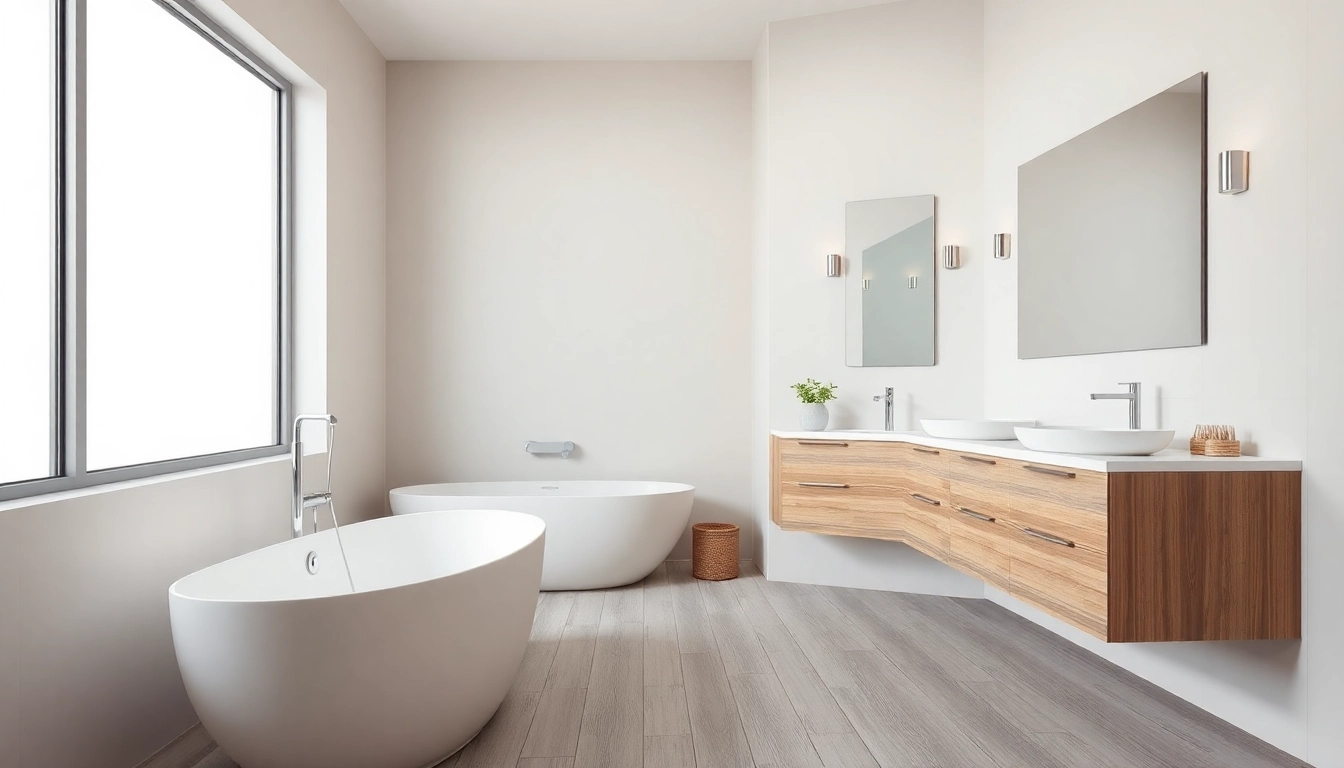
For example, cabinetry that utilizes vertical space can hide personal items while keeping the area tidy. Additionally, careful selection of fixtures such as wall-mounted sinks can create more floor space.
By optimizing the layout, the bathroom can transform from being a mere utility space to a sanctuary of comfort, making daily routines smoother and more enjoyable.
Increasing Property Value
One of the most compelling reasons to undertake bathroom remodelling is its ability to boost your home’s resale value. According to numerous real estate studies, updated bathrooms can yield a high return on investment.
Potential buyers are often drawn to modern, functional, and aesthetically pleasing bathrooms. A fresh look with updated features can set your property apart in a competitive market, maximizing your odds of selling at a premium price.
Aesthetic Improvements
The visual appeal of a bathroom can greatly influence its overall atmosphere. Outdated or worn features can make a space feel uninviting. Through remodelling, you can select new colors, materials, and fixtures that resonate with your personal style.
From luxurious floor tiles to contemporary vanities, every element can contribute to a cohesive design theme. These aesthetic improvements not only enhance daily experiences but also create a space you are proud to show off to guests.
Planning Your Bathroom Remodelling Budget
Estimating Costs
The first step in any successful bathroom remodelling project is creating a realistic budget. Costs can vary significantly based on the size of the space, the quality of materials, and the complexity of the design.
On average, homeowners may spend between $10,000 to $25,000 on a complete remodel. It’s crucial to break down the costs—accounting for labor, materials, and unexpected expenses—to avoid financial strain as the project progresses.
Cost-Saving Tips
While remodelling can become costly, several strategies can help save money without compromising quality. Consider updating existing fixtures rather than replacing them entirely.
Painting cabinetry or replacing hardware can give an updated look at a fraction of the cost. Additionally, shopping at discount retailers or using reclaimed materials can further reduce expenses while adding unique character.
Financing Options
For those unsure about fronting the entire cost upfront, various financing options exist. Home equity loans or lines of credit are popular choices, leveraging the equity in your home to fund the remodel.
Alternatively, personal loans may suit smaller projects. It’s essential to weigh the pros and cons of each option, considering interest rates and repayment terms, to ensure a financially sound decision.
Design Trends in Bathroom Remodelling
Modern Fixtures and Fittings
Current design trends lean towards sleek, modern fixtures that not only serve a purpose but also bring an aesthetic appeal. Wall-mounted faucets and waterfall showerheads add elegance, while programmable thermostats offer convenience.
Furthermore, choosing fixtures made from durable materials can enhance longevity while maintaining a contemporary look. Quality selections will not only enhance beauty but will also ensure functionality for years to come.
Color Palettes and Textures
The color palette selected during the remodelling can create a lasting impact on the mood of your bathroom. Neutral tones like soft whites, beiges, and greys are versatile, allowing for various decorative elements to shine through.
However, deeper colors such as navy or emerald green are increasingly popular for creating bolder statements. Complementing these hues with textured wallpapers or tiles can add depth and are trending toward creating luxurious visual interest.
Eco-Friendly Solutions
Sustainability is becoming an integral component of bathroom design, with eco-friendly solutions gaining traction in remodelling projects. Utilizing low-flow fixtures can conserve water; eco-friendly materials, such as bamboo flooring or recycled tiles, can make a significant ecological impact.
Furthermore, prioritizing natural light through strategic window placements or skylights can reduce energy consumption while creating a positive atmosphere. This approach not only helps the environment but can also appeal to buyers looking for sustainability in their potential homes.
Essential Steps in Bathroom Remodelling
Choosing a Layout
Selecting an effective layout is critical to optimizing the functionality and aesthetic of your bathroom. Start by considering the existing plumbing and electrical components, as moving these can lead to increased costs.
Popular layouts include L-shaped or U-shaped designs, which offer ample storage and space efficiency. Sketching a layout and determining flow based on your daily routines ensures usability while providing a foundation for your design aesthetic.
Hiring Professionals
Although DIY projects can be rewarding, enlisting professionals often guarantees quality craftsmanship and compliance with regulations. Hire a licensed contractor familiar with local codes to manage your project.
A skilled designer can assist in making the best creative choices, ensuring the space feels coherent and tailored to your lifestyle. Look for professionals with good reviews and past projects for a trustworthy partnership throughout your remodelling journey.
Permits and Regulations
Before beginning any remodelling, it’s critical to check with local authorities about permits and regulations needed for your project. Certain renovations, especially those involving plumbing or electrical work, may require approval.
Failing to obtain necessary permits could lead to fines or complications when selling your home in the future. Always approach your remodelling with a compliance-first mindset to ensure a seamless process from beginning to end.
Maintenance Tips After Bathroom Remodelling
Routine Cleaning Practices
Maintaining your newly remodeled bathroom involves implementing routine cleaning practices to keep it looking pristine. Using non-abrasive, mild cleaners helps preserve surfaces while preventing damage.
Schedule regular cleanings for sinks, toilets, and showers to prevent buildup of grime and mildew. Daily wipe-downs of vanity and surfaces can significantly reduce the long-term needs for deep cleaning.
Long-Term Care for Fixtures
The longevity of your bathroom fixtures depends heavily on the care they receive. Regularly inspect fixtures for leaks and corrosion, addressing minor issues before they become costly repairs.
For chrome fixtures, gentle cleaning with vinegar and water can prevent tarnishing. Additionally, avoid harsh chemicals that could dull or damage finishes, preserving both aesthetics and functionality.
Seasonal Maintenance Checks
Conducting seasonal maintenance checks can keep your bathroom in top shape year-round. In colder months, inspect plumbing for potential freeze damage, and consider insulating pipes in areas prone to freezing.
Meanwhile, summertime checks can focus on ventilation systems to avoid moisture buildup. Creating a checklist of items to inspect every season can effectively safeguard your investment.
FAQs About Bathroom Remodelling
What is the average cost of bathroom remodelling?
The average bathroom remodelling cost ranges from $10,000 to $25,000, depending on the size and complexity of the project.
How long does a bathroom remodel typically take?
The timeline for a bathroom remodel can vary; however, it typically takes between 4 to 6 weeks from start to finish.
Should I hire a professional or DIY my bathroom remodel?
While DIY can be rewarding, hiring professionals ensures compliance with regulations and high-quality workmanship, especially for more complex projects.
What are some trending styles for modern bathrooms?
Trending styles include minimalist designs, bold colors, and eco-friendly fixtures that contribute to sustainability in design.
How can I increase natural light in my bathroom?
Consider options such as skylights, larger windows, or frosted glass that allow light while maintaining privacy. Mirrors also reflect natural light effectively.