Understanding the Importance of a VIN Check
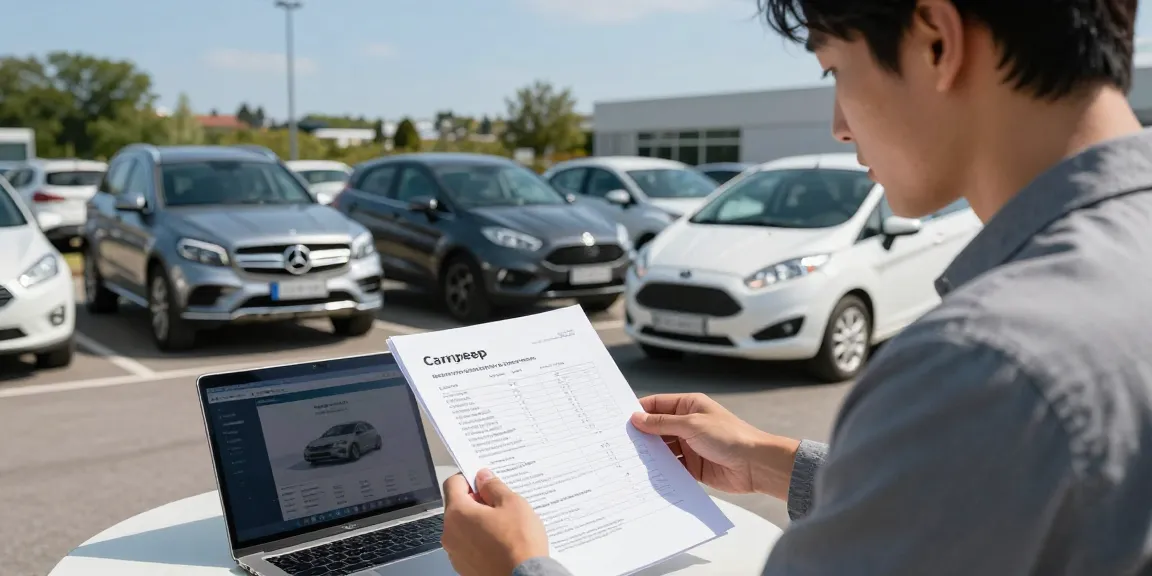
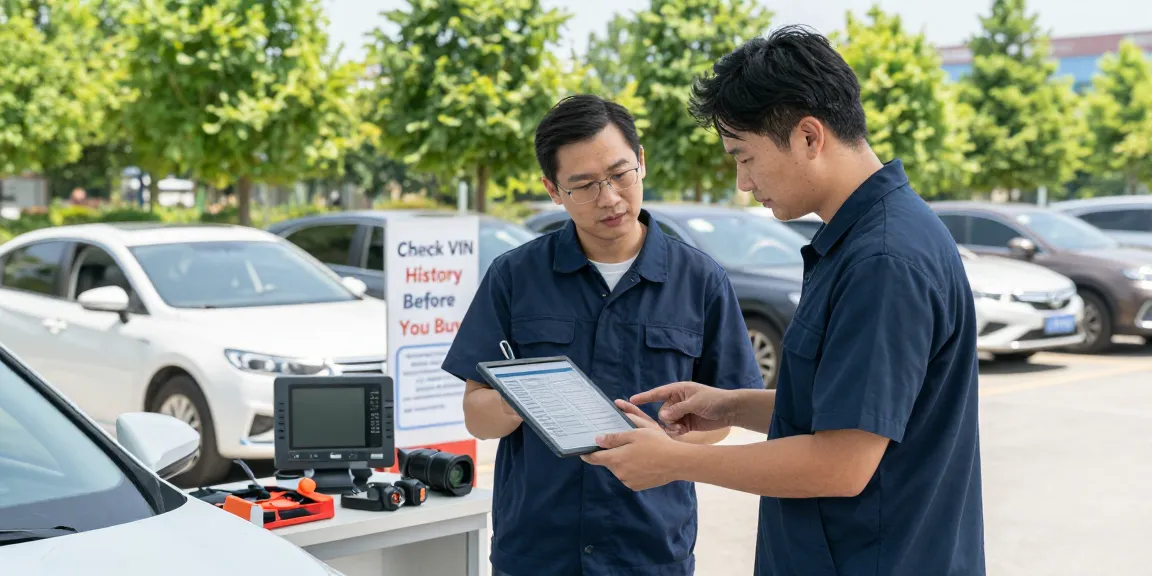
In today’s used car market, ensuring that you’re making a sound purchase can be a daunting task. Every year, countless buyers face potential pitfalls that could lead to financial loss or safety hazards. One of the most effective ways to protect yourself is by performing a vin check. With a VIN check, you gain access to crucial information about the vehicle’s history, including past accidents, title issues, and odometer fraud, which can lead to significant savings and peace of mind during the buying process.
What Is a VIN and Why It Matters?
The Vehicle Identification Number (VIN) is a unique 17-character code assigned to every motor vehicle at the time of manufacture. This number serves as a fingerprint for the vehicle, providing essential details such as the manufacturer, model, year, and place of assembly. Understanding the VIN is crucial because it allows buyers to track a vehicle’s history and ownership records.
How VIN Checks Protect Buyers from Fraud
VIN checks unveil a vehicle’s comprehensive history, revealing critical data on previous accidents, salvage titles, and any outstanding liens. A thorough VIN check can expose instances of odometer rollback, where the current owner may have tampered with the mileage to inflate the value of the car, potentially saving buyers from costly mistakes.
The Risks of Not Performing a VIN Check
Failing to conduct a VIN check before purchasing a used vehicle can have severe repercussions. Many used vehicles on the market each year are linked to fraud, with statistics indicating that a significant amount of money is lost to odometer fraud alone. Buyers risk purchasing a vehicle that has not only hidden damages but might also come with undisclosed loans, leaving them responsible for debts incurred by the previous owner.
How to Effectively Conduct a VIN Check
Finding the 17-Character VIN on a Vehicle
Locating the VIN is the first step in conducting a VIN check. The VIN can typically be found in several places on the vehicle, including:
- The driver’s side dashboard, visible through the windshield
- The driver’s side door jamb
- The vehicle’s title and registration documents
Free and Paid VIN Check Services: Pros and Cons
While several free VIN check options exist, such as those provided by the National Insurance Crime Bureau (NICB) and the National Highway Traffic Safety Administration (NHTSA), these services often have limitations. They typically do not provide full histories or detailed reports. On the other hand, paid VIN check services, like the one offered at VinPanda, provide comprehensive reports, including detailed accident history, title issues, and any recalls. Investing in a paid service can ultimately save money by helping buyers avoid problematic vehicles.
Interpreting Detailed VIN Check Reports
Once you receive a VIN check report, understanding its contents is vital. A well-structured report will contain information about:
- Accident history
- Title status (e.g., clean, salvage, rebuilt)
- Odometer readings
- Recalls and safety inspections
Familiarizing yourself with these elements will aid in assessing a vehicle’s true value and risk before making a purchase decision.
Common Issues Revealed by VIN Checks
Understanding Salvage Titles and Their Implications
A salvage title indicates that a vehicle has been declared a total loss by an insurance company due to significant damage. While some salvage title vehicles can be rebuilt and returned to the road, they often come with baggage. Buyers should exercise caution, as these vehicles may have hidden damages and may not retain their value. It’s essential to understand what a salvage title entails before considering a purchase.
What Title Washing Means for Your Purchase
Title washing is a deceptive practice where a vehicle with a salvage title is transferred to a different state to obtain a clean title, effectively hiding its history from potential buyers. This fraudulent activity can leave buyers at risk, as they might unknowingly purchase a vehicle with severe prior damage. Regularly conducting a VIN check can expose such fraud and help maintain transparency in vehicular transactions.
Deciding on Rebuilt Title Cars: Are They Worth It?
Rebuilt title cars may be appealing due to their lower costs, but they deserve scrutiny. These vehicles have been repaired after sustaining damage but have been inspected and approved for road use. Determining whether a rebuilt title car is worth purchasing comes down to understanding the extent of the repairs performed and ensuring comprehensive documentation is provided. Buyers should always refer to a VIN check to clarify any potential risks.
Expert Tips to Ensure a Smooth Purchase Process
Negotiating with Confidence Using VIN Reports
Equipped with a detailed VIN report, buyers can approach negotiations with confidence. Use the information about the car’s history to negotiate a fair price. If the report reveals prior accidents or title issues, leverage this knowledge to lower the asking price or convince the seller to make necessary repairs before purchase.
Establishing a Budget: Accounting for Hidden Costs
When setting a budget for buying a used vehicle, it’s crucial to account for potential hidden costs, including repairs resulting from undisclosed damages or title issues. Investing in a thorough VIN check can help identify these problems early, allowing buyers to make informed financial decisions.
Knowing When to Walk Away from a Deal
One of the hardest decisions in the used car buying process is deciding when to walk away. If the VIN check reveals serious discrepancies or concerning history, it may be wise to continue your search elsewhere. Avoiding a potentially disastrous purchase can save you from significant financial loss and unneeded stress.
Future Trends in Vehicle History Verification
Tech Developments in VIN Checking Tools
The landscape of used car purchasing is rapidly evolving, with technology playing a pivotal role. Emerging technologies, such as AI-driven analytics and blockchain records, are set to enhance the accuracy and transparency of VIN checks. These advancements aim to provide buyers with more reliable data and reduce the chances of fraud.
Predictions for the Used Car Market in 2026
As we approach 2026, trends indicate a growing demand for transparency in the used car market. Buyers are becoming increasingly savvy, seeking more detailed insights into vehicle histories. This shift will likely promote a culture where VIN checks become standard practice among responsible buyers.
How Legislative Changes Might Impact Buyers
Potential legislative changes can play a significant role in vehicle registration and title management, aiming to curb fraud and streamline processes. Keeping abreast of these developments is essential for buyers, as they could offer increased protections and resources to harness during the purchasing process.
Is a VIN check really free?
While some basic VIN checks are available for free, comprehensive reports that provide detailed vehicle histories are typically not free. These paid reports, like those from VinPanda, offer extensive insights into a vehicle’s past, making them a wise investment for serious buyers.
What information can I expect from a VIN report?
A thorough VIN report will provide details including accident history, title status, odometer readings, and any recalls or safety concerns associated with the vehicle. This information helps buyers make informed decisions about their purchases.
How often do title washing incidents occur?
Title washing incidents occur frequently enough to warrant a careful approach to used car buying. Buyers should always conduct a VIN check to protect themselves from such fraudulent practices.
What should I do if I find discrepancies in a VIN report?
If discrepancies arise in a VIN report, it’s essential to address them quickly. Engage the seller to clarify the issues or consider walking away from the deal if they seem unresolvable or concerning.
Are rebuilt title cars safe to buy?
Rebuilt title cars can be safe if they have undergone proper inspections and repairs. However, buyers must do their due diligence and verify the vehicle’s history through a VIN check to assess its condition accurately.