
Introduction to American Standard Heat Pumps
When considering the ideal heating solution for your home, american standard heat pumps stand out as a reliable option. Heat pumps are significant contributors to energy-efficient heating and cooling, providing homeowners with comfort and savings year-round. This article explores what heat pumps are, their benefits, the various types of American Standard heat pumps available, their key features, installation considerations, and maintenance tips.
What Are Heat Pumps?
A heat pump is a versatile system that transfers heat from one location to another, effectively heating or cooling your home. Unlike traditional heating systems that generate heat through fuel combustion, heat pumps move heat from the outdoors into your home during winter and vice versa during summer. This makes them an energy-efficient choice, as they can deliver up to three times more heating energy than the electric energy they consume.
Benefits of Using American Standard Heat Pumps
Choosing American Standard heat pumps for your home comes with various advantages:
- Energy Efficiency: American Standard heat pumps offer high SEER (Seasonal Energy Efficiency Ratio) ratings, ensuring lower energy bills.
- Environmentally Friendly: By utilizing electricity instead of fossil fuels, these heat pumps reduce greenhouse gas emissions.
- Dual Functionality: They provide both heating and cooling solutions, eliminating the need for separate systems.
- Quiet Operation: Engineered for silent performance, American Standard heat pumps operate quietly, enhancing home comfort.
- Innovative Technology: Incorporating advanced technology like variable-speed compressors, they adapt to indoor conditions for maximum comfort.
How American Standard Heat Pumps Work
American Standard heat pumps utilize a refrigeration cycle to transfer heat. In the winter, the system extracts heat from the outside air (even in cold temperatures) and transfers it indoors. In summer, the process reverses, removing indoor heat and discharging it outside. The use of refrigerants plays a crucial role in enabling this heat transfer, making these systems exceptionally efficient.
Types of American Standard Heat Pumps
American Standard offers several types of heat pumps designed to meet various heating and cooling needs. The main types are:
Air Source Heat Pumps
Air source heat pumps are the most common type used in residential settings. They extract heat from the outside air and are available in split or packaged systems. These units are ideal for moderate climates and can operate efficiently in temperatures as low as 5°F. With variable-speed fans, they adjust their output to match indoor requirements, ensuring optimal performance.
Geothermal Heat Pumps
Geothermal heat pumps tap into the Earth’s stable underground temperature. These systems are highly efficient, as they harness renewable energy from below the surface. While the initial installation costs may be higher, they offer substantial savings on energy bills and require minimal maintenance over time. Geothermal pumps are suitable for a variety of applications, including heating, cooling, and hot water production.
Water Source Heat Pumps
Water source heat pumps use a body of water (like a pond or well) for heat exchange. This type of heat pump is particularly efficient and can provide consistent performance year-round. They can be an excellent choice for homes near large water sources and require a specific layout for optimal efficiency.
Key Features to Look For
When selecting American Standard heat pumps, it is crucial to consider key features that enhance the unit’s performance and longevity:
Energy Efficiency Ratings
American Standard heat pumps boast high energy efficiency ratings, with many units achieving a SEER of 14 or higher. Higher SEER ratings indicate greater efficiency and cost savings. Look for models with ENERGY STAR certification, as these meet strict energy efficiency guidelines set by the Environmental Protection Agency (EPA).
Noiseless Operation
Noise levels can significantly affect your home comfort. American Standard heat pumps are designed with acoustically engineered cabinets and sound blankets for quieter operation. When evaluating models, pay attention to decibel levels—lower numbers indicate a quieter system.
Smart Technology Integration
Modern American Standard heat pumps often come equipped with smart technology, allowing homeowners to control their systems remotely via smartphone apps. Features such as programmable temperature settings and energy usage tracking help optimize efficiency and comfort.
Installation Considerations
Installing a heat pump requires careful planning and professional expertise. Here are essential considerations:
Choosing the Right Location
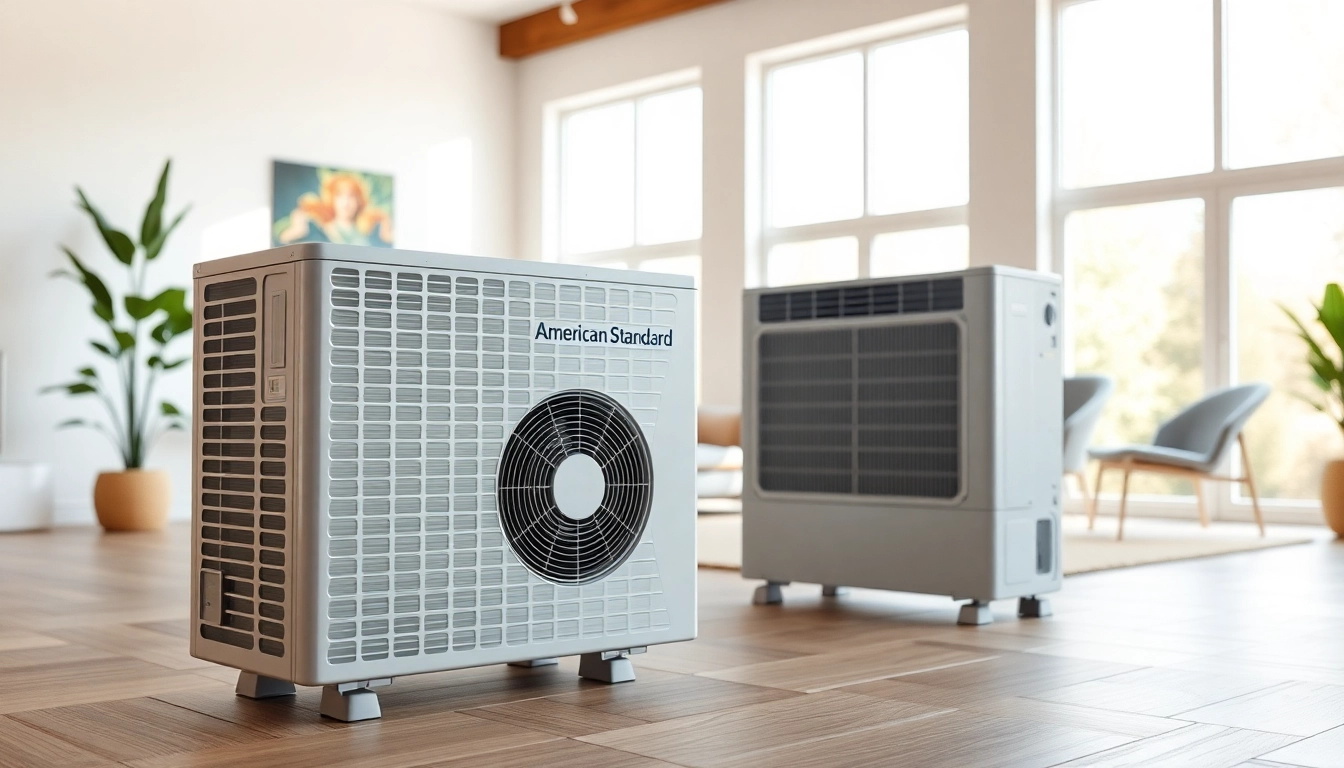
Proper placement of your heat pump is vital for efficiency and performance. Outdoor units should have adequate clearance for airflow, while indoor units must be located for optimal temperature distribution. It’s also crucial to avoid placement near obstructions that could cause noise or airflow issues.
Professional Installation vs. DIY
While DIY options exist, heat pump installation is complex and typically best handled by certified HVAC professionals. Trained technicians ensure that units are installed correctly to maximize performance and warranty coverage, and they can also offer valuable advice on the best type of system for your specific needs.
Cost Factors in Installation
Several factors influence the installation cost of American Standard heat pumps, including:
- Type of heat pump selected
- Size of the unit required for your space
- Labor costs in your region
- Additional installations (ductwork, electrical upgrades, etc.)
Maintaining Your American Standard Heat Pumps
Maintaining your heat pump is essential for its longevity and efficiency. Here are some valuable maintenance tips:
Regular Maintenance Tips
Regular maintenance can prevent significant issues down the line. Consider the following tips:
- Schedule annual professional inspections to check for any developing issues.
- Clean or replace filters every month during peak usage times to ensure optimal airflow.
- Keep outdoor units free from debris, including leaves, snow, and ice.
- Inspect ducts for leaks and ensure proper insulation.
Signs You Need Repairs
Look for signs that your heat pump may require repairs. These include:
- Unusual noises, such as grinding or hissing.
- Inconsistent heating or cooling throughout your home.
- Increased energy bills without a corresponding increase in usage.
- Pooling water around the unit.
How to Extend the Lifespan
To maximize the lifespan of your American Standard heat pump, follow these best practices:
- Regularly change air filters and clean the unit.
- Avoid placing items near the outdoor unit that could obstruct airflow.
- Consider a maintenance plan with your HVAC service provider for routine checks.
Frequently Asked Questions
What is the lifespan of an American Standard heat pump?
The average lifespan of an American Standard heat pump is around 15 years, with higher-end models potentially lasting up to 20 years when well-maintained.
Are American Standard heat pumps energy-efficient?
Yes, American Standard heat pumps are designed to be highly energy-efficient, featuring high SEER ratings that help reduce energy costs.
Do I need a special permit to install a heat pump?
Permit requirements vary by location. It’s advisable to check with local authorities and secure necessary permits before installation.
How often should I perform maintenance on my heat pump?
Conduct regular maintenance every 6 to 12 months, along with monthly filter checks and cleanings, to ensure consistent performance.
Can I install a heat pump in any climate?
American Standard heat pumps are versatile but perform best in moderate climates. In extremely cold areas, consider supplemental heating options for optimal comfort.