Understanding Text to 3D: The Basics
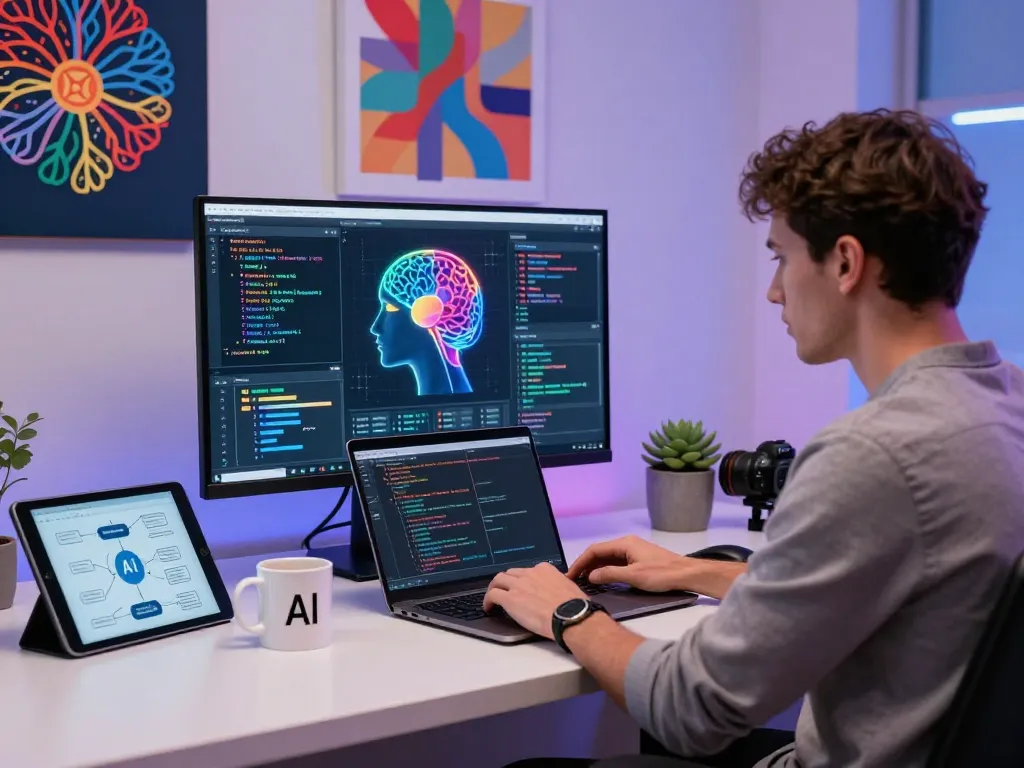
In recent years, the field of 3D modeling has witnessed transformative advancements, thanks to innovations in artificial intelligence and machine learning. One of the breakthrough technologies making waves in this domain is Text to 3D. This cutting-edge process allows users to generate 3D models from simple text prompts, significantly lowering the barrier to entry for designers and hobbyists alike. By harnessing natural language processing and deep learning, Text to 3D systems translate textual descriptions into detailed three-dimensional creations.
What is Text to 3D and How Does It Work?
Text to 3D is a sophisticated technique that employs AI algorithms to convert written descriptions into visually accurate 3D models. The process typically begins with a user entering a prompt that describes the desired object or scene. The underlying AI model, often trained on vast datasets of both 3D models and corresponding textual descriptions, interprets this input and produces a 3D representation.
At its core, the technology leverages two key components: Natural Language Processing (NLP) and 3D geometry generation. NLP helps the system understand the nuances and context of the text, while geometry generation algorithms create the visual structure, ensuring that the final model accurately reflects the user’s intent.
Key Technologies Behind Text to 3D Generation
Several technologies underpin the Text to 3D process, transforming how models are created. Key advancements include:
- Generative Adversarial Networks (GANs): GANs are a class of machine learning frameworks that consist of two neural networks, a generator and a discriminator, working against each other. This competition leads to the generation of highly realistic 3D models from textual descriptions.
- VQ-VAE (Vector Quantized Variational Autoencoders): This technology is useful for training models to generate discrete latent representations, allowing for nuanced and complex 3D shapes to emerge from text.
- Diffusion Models: Recent advancements in diffusion models have shown promise in synthesizing high-quality 3D content through iterative refinement, starting from random noise and gradually shaping it into detailed outputs.
Common Applications of Text to 3D in Various Industries
The potential applications of Text to 3D technologies are vast, spanning numerous industries:
- Gaming: Game developers can quickly prototype assets or create entire environments based on narrative descriptions, improving development timelines.
- Education: Educators can generate illustrative models for teaching complex concepts, making learning more interactive and engaging.
- Architecture: Architects can visualize design ideas from preliminary descriptions, allowing for more dynamic and collaborative design discussions.
- Fashion: Designers can bring clothing concepts to life through detailed models derived from fabric descriptions, assisting in visual merchandising.
Challenges in Text to 3D Conversion
Common Misconceptions About Text to 3D
Despite its promise, many misconceptions exist regarding Text to 3D technologies. One common belief is that they can fully automate the design process with minimal user input. In reality, while these tools are powerful, they often require thoughtful prompts and iterative refinement to achieve desired results.
Technical Limitations and Solutions
Text to 3D systems face several technical challenges, including:
- Ambiguity in Text: Natural language can often be ambiguous, leading to unexpected or undesired model outputs. This can be mitigated by improving NLP capabilities through better training datasets.
- Complex Geometries: While simple shapes can be easily generated, complex geometries may still present challenges. Techniques such as parameter tuning and hierarchical modeling can help overcome these hurdles.
- Performance Constraints: High-quality model generation can be resource-intensive, requiring powerful hardware. Solutions involve optimizing algorithms for faster processing and lower resource consumption.
Real-world Challenges Faced by Designers
Designers utilizing Text to 3D face unique challenges, particularly when integrating these tools into existing workflows. Balancing traditional design processes with AI-generated outputs requires adaptability and open-mindedness. Additionally, understanding the limitations of AI in creative fields is essential for effective implementation.
Best Practices for Effective Text to 3D Design
Choosing the Right Software Tools for Text to 3D
Selecting appropriate software is critical for maximizing the potential of Text to 3D. Key considerations include usability, compatibility with other design tools, and the richness of features such as previewing and editing capabilities. Popular platforms like Meshy AI or Sloyd provide user-friendly interfaces with robust functionalities that cater to various skill levels.
Tips for Writing Effective Text Prompts
The effectiveness of the Text to 3D generation hinges significantly on the quality of the input prompts. Here are a few tips for crafting effective descriptions:
- Be specific: Include particular details about shapes, colors, and textures.
- Use clear language: Avoid jargon or vague terms that may confuse the AI.
- Iterate and refine: If the initial model is not satisfactory, adjust your prompt based on the output you receive.
Collaboration Techniques for Enhanced Creativity
Collaboration in design can lead to more innovative outcomes. When using Text to 3D, consider these collaborative techniques:
- Peer reviews: Share generated models with peers for feedback and suggestions.
- Workshops: Host sessions to explore ideas and generate multiple model iterations collaboratively.
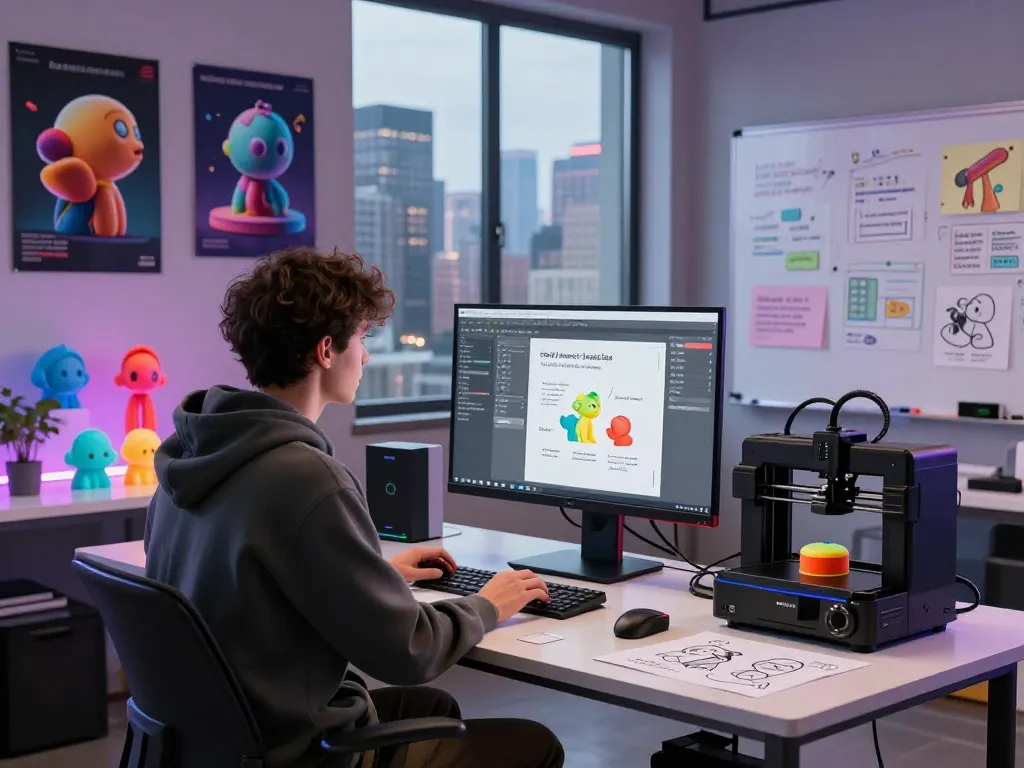
- Integrate with traditional design methods: Combine text prompts with hand-drawn sketches or digital designs to enhance creativity.
Case Studies: Successful Text to 3D Implementations
Exploring Notable Examples Across Different Sectors
Several companies have successfully implemented Text to 3D technologies in their operations to great effect:
- GameDev Studios: A game development company utilized Text to 3D to create character models and environment assets, reducing production time by 30%.
- Educational Platforms: An online learning platform generated interactive 3D models from curriculum descriptions, increasing student engagement by 40%.
- Fashion Brands: A clothing brand leveraged Text to 3D to visualize new collections, resulting in a 20% increase in pre-sales.
How Companies Have Optimized Their Designs with Text to 3D
By integrating Text to 3D into their workflows, organizations have streamlined their design processes. For instance, a major architecture firm adopted Text to 3D tools to quickly visualize project proposals, allowing for faster client approvals and more adaptive planning.
Learning from Industry Leaders: Insights and Trends
As companies continue to explore Text to 3D, trends indicate a growing influence of user-generated content and community-driven model sharing. Learning from these industry leaders can provide valuable insights into overcoming challenges and harnessing the full potential of this transformative technology.
The Future of Text to 3D in 2026 and Beyond
Upcoming Trends in 3D Modeling and AI Technologies
As we look to the future, several trends are likely to shape the evolution of Text to 3D:
- Incorporation of Augmented Reality (AR): Text to 3D models will increasingly be utilized in AR applications, enhancing user experiences in gaming, retail, and education.
- Real-time Rendering: Advances in computing power will facilitate real-time rendering of complex models, making the generation process quicker and more interactive.
- Customizable AI Models: The emergence of user-customizable AI models will allow designers to tailor Text to 3D experiences to specific industries or use cases.
Predictions for Text to 3D and Its Impact on the Market
The market for Text to 3D is expected to grow significantly as more tools become accessible and user-friendly. Predictions suggest that by 2026, the integration of Text to 3D in various sectors will lead to increased productivity, enhanced creativity, and reduced costs in model generation.
Preparing for the Future: Skills to Develop Now
To stay relevant in a rapidly evolving landscape, professionals should focus on developing skills in AI literacy, understanding design principles, and enhancing creative problem-solving abilities. Familiarizing oneself with Text to 3D technologies will be crucial for future success in design-oriented industries.
What is the best software for Text to 3D?
While the best software can vary based on user needs, platforms like Sloyd and Meshy AI have emerged as leading choices due to their user-friendly interfaces, comprehensive features, and community support.
Can anyone create 3D models from text prompts?
Yes, with the advancement of Text to 3D technologies, individuals without formal design training can create 3D models using simple text prompts, democratizing the design process.
How fast can I generate a 3D model using Text to 3D?
Model generation times can vary, but many platforms allow for the rapid creation of models within seconds to minutes, depending on complexity and computing power.
What are the costs associated with Text to 3D software?
Costs for Text to 3D software can range from free versions with limited features to subscription-based models offering advanced capabilities. It’s essential for users to evaluate their needs and budget accordingly.
Are there free alternatives for Text to 3D generation?
Yes, several free tools and platforms offer basic Text to 3D functionalities, allowing users to experiment without financial investment, making it easier to explore this exciting technology.