
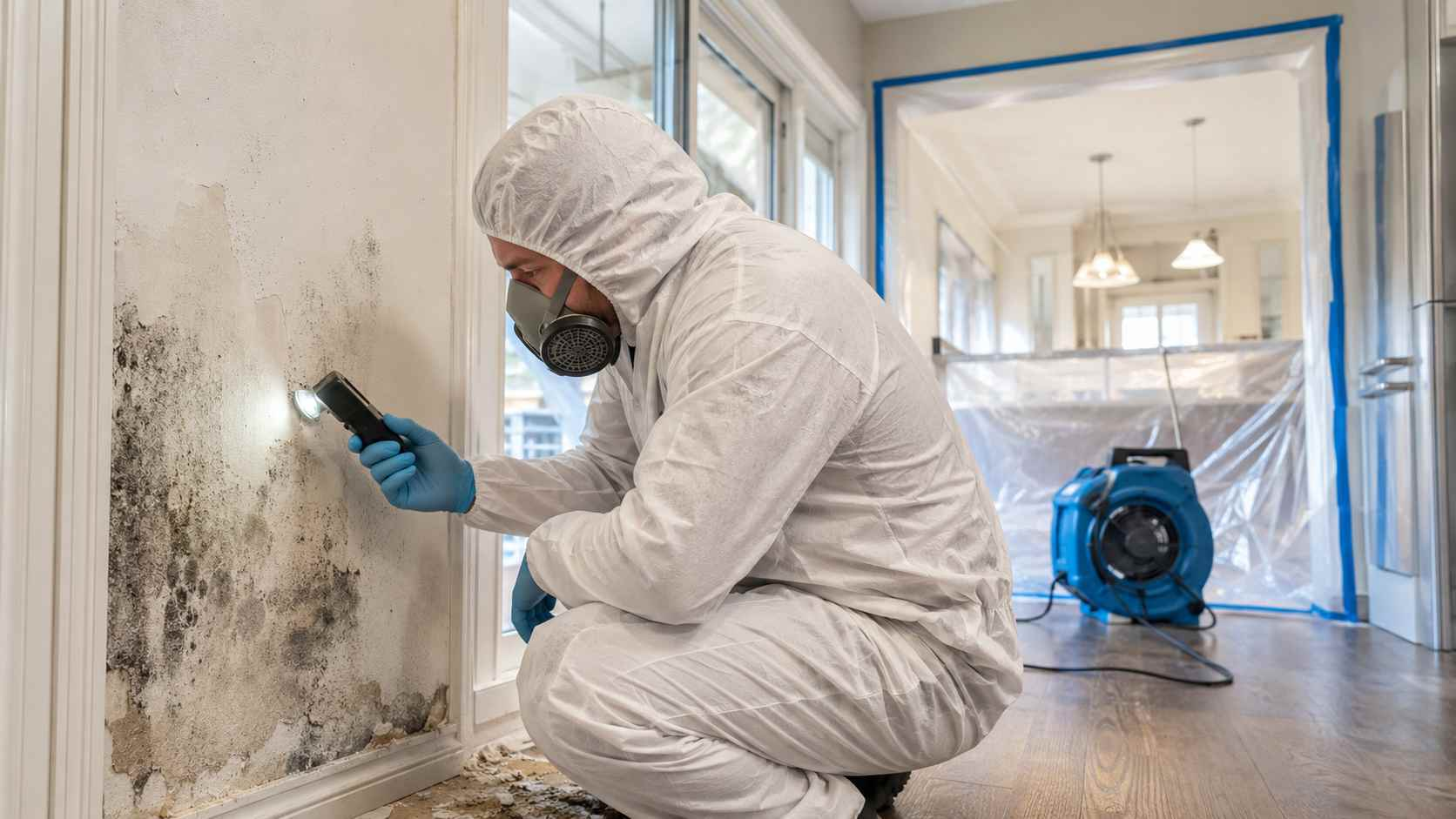
A musty smell in your home is often one of the earliest warning signs that something is wrong in your indoor environment. Many homeowners ignore this odor at first, assuming it is just humidity or old furniture, but in reality it is frequently linked to hidden mold growth. When mold begins to spread behind walls, under flooring, or inside damp corners, it releases microbial volatile organic compounds that create that distinct unpleasant smell. Understanding how this odor develops and how to respond quickly is essential, especially when mold removal becomes necessary to protect your home and health. Early detection can make mold removal easier, more affordable, and far more effective before the problem spreads deeper into structural materials.
Why Musty Odors Appear in Indoor Spaces
Musty odors usually develop in areas where moisture has accumulated for a long period of time without proper ventilation. This could be due to leaks, condensation, flooding, or even high humidity levels common in bathrooms and basements. When organic materials such as wood, drywall, or fabric stay damp, they become the perfect breeding ground for mold colonies. As the mold grows, it produces gases that create the musty smell homeowners notice.
In many cases, people attempt temporary solutions like air fresheners or cleaning sprays, but these only mask the issue. The real solution involves identifying the source of moisture and considering professional mold removal if the growth has spread. Ignoring the smell allows the mold to expand, making mold removal more complicated later. In fact, early action is one of the most important steps in preventing structural damage and maintaining indoor air quality.
How to Identify Mold Growth Behind Musty Smells
When a home develops a persistent musty odor, it is important to investigate further rather than assuming it will disappear on its own. Mold often hides in places that are not easily visible, which is why odor becomes the first clue. A careful inspection of walls, ceilings, and flooring can reveal discoloration, staining, or bubbling paint, all of which may indicate moisture buildup and mold activity.
Another key sign is recurring dampness or condensation in the same areas. Even if visible mold is not present, the smell alone can indicate that mold removal may be required. Homeowners should also pay attention to allergy-like symptoms such as sneezing, coughing, or irritated eyes that worsen indoors. These symptoms often suggest that spores are circulating through the air.
At this stage, mold removal becomes not just a cleaning task but a necessary step to restore healthy indoor conditions. The longer mold remains untreated, the more deeply it embeds into porous materials, making mold removal more complex and costly. That is why identifying the problem early is essential.
Common Areas Where Mold Hides in Homes
Mold thrives in hidden and less-ventilated areas where moisture tends to linger. Bathrooms are one of the most common locations due to frequent water use and steam accumulation. Under sinks, behind toilets, and around bathtubs are typical spots where mold begins to develop unnoticed.
Basements are another high-risk area because they often have poor ventilation and higher humidity levels. Water seepage through foundation walls can lead to long-term moisture issues that require professional mold removal. Kitchens, laundry rooms, and air conditioning systems can also harbor mold if leaks or condensation are present.
Once these areas are affected, simple cleaning is often not enough. Mold removal in such environments requires addressing both the visible growth and the underlying moisture source. Without eliminating moisture, mold will continue returning even after repeated cleaning efforts. This is why effective mold removal always involves both remediation and prevention strategies.
Health Risks Associated with Mold Exposure
Exposure to mold spores can have varying effects depending on a person’s sensitivity and the duration of exposure. Some individuals may experience mild symptoms such as nasal congestion, throat irritation, or headaches, while others with asthma or allergies may suffer more severe reactions. Continuous exposure in a contaminated indoor environment can significantly reduce overall air quality and well-being.
Children, elderly individuals, and people with weakened immune systems are especially vulnerable. This makes timely mold removal a critical health priority rather than just a maintenance task. Prolonged exposure may also lead to chronic respiratory issues if the mold problem is not addressed.
Professional mold removal is often recommended when growth has spread beyond small surface areas. This is because improper cleaning can disturb spores and spread contamination further throughout the home. Effective mold removal ensures that spores are properly contained and eliminated rather than redistributed into the air.
Why Moisture Control Is Essential for Mold Prevention
Controlling moisture is the foundation of preventing mold growth in any home. Without moisture, mold cannot survive or spread. This means that fixing leaks, improving ventilation, and using dehumidifiers are essential long-term strategies. Even after successful mold removal, failing to manage humidity can lead to recurring problems.
Many homeowners overlook small leaks under sinks or behind appliances, but these minor issues often become major mold sources over time. Regular inspection and maintenance reduce the chances of needing repeated mold removal services. Airflow is equally important, especially in enclosed spaces where stagnant air increases humidity levels.
Once moisture is under control, mold removal becomes significantly more effective and long-lasting. Without this step, even the most thorough mold removal process may only provide temporary relief.
Effective Methods for Removing Mold from Your Home
When dealing with visible mold growth, surface cleaning may work for very small areas, but larger infestations require more structured approaches. Proper containment is essential to prevent spores from spreading during cleaning. This often involves isolating the affected area and using specialized equipment.
For minor cases, homeowners may attempt basic cleaning, but deeper contamination often requires professional intervention. In these situations, mold removal involves not only cleaning surfaces but also treating hidden layers inside walls or flooring. Porous materials like drywall or insulation may need to be replaced entirely if contamination is severe.
Air filtration is another important part of the process, as airborne spores must be captured to prevent recontamination. After cleanup, preventive treatments may be applied to discourage regrowth. Successful mold removal is not just about eliminating visible patches but ensuring the entire environment is safe and stable.
Importance of Professional Assessment and Remediation
While small mold spots can sometimes be handled independently, larger or recurring issues often require expert evaluation. Professionals can identify hidden moisture sources that are not easily visible and recommend appropriate remediation steps. Their assessment ensures that mold removal is done thoroughly and safely.
A professional approach also reduces the risk of cross-contamination, which can happen when mold is disturbed improperly. Specialized tools and techniques allow for more efficient mold removal, especially in cases where mold has spread behind structural surfaces.
Homeowners who invest in professional mold removal often find that it provides longer-lasting results because the root cause is addressed, not just the symptoms. This makes it a more reliable solution for maintaining healthy indoor air quality.
Preventing Musty Odors and Future Mold Growth
Once mold has been removed, preventing it from returning becomes the next priority. Consistent ventilation, regular cleaning, and humidity control are key strategies. Keeping indoor humidity levels low reduces the chances of mold reappearing.
It is also important to inspect vulnerable areas periodically, especially after heavy rainfall or plumbing issues. Early detection allows for quick mold removal before the problem becomes severe again. Even small signs of moisture should be addressed immediately to avoid future complications.
Over time, maintaining these habits significantly reduces the likelihood of needing repeated mold removal. A clean, dry, and well-ventilated home environment is the best defense against mold-related issues and musty odors.
In conclusion, a musty smell in your home should never be ignored, as it is often a clear indicator of hidden mold growth. Taking prompt action ensures that mold removal is more effective and less invasive. By understanding the causes, identifying early warning signs, and maintaining proper moisture control, homeowners can protect both their property and their health.
