
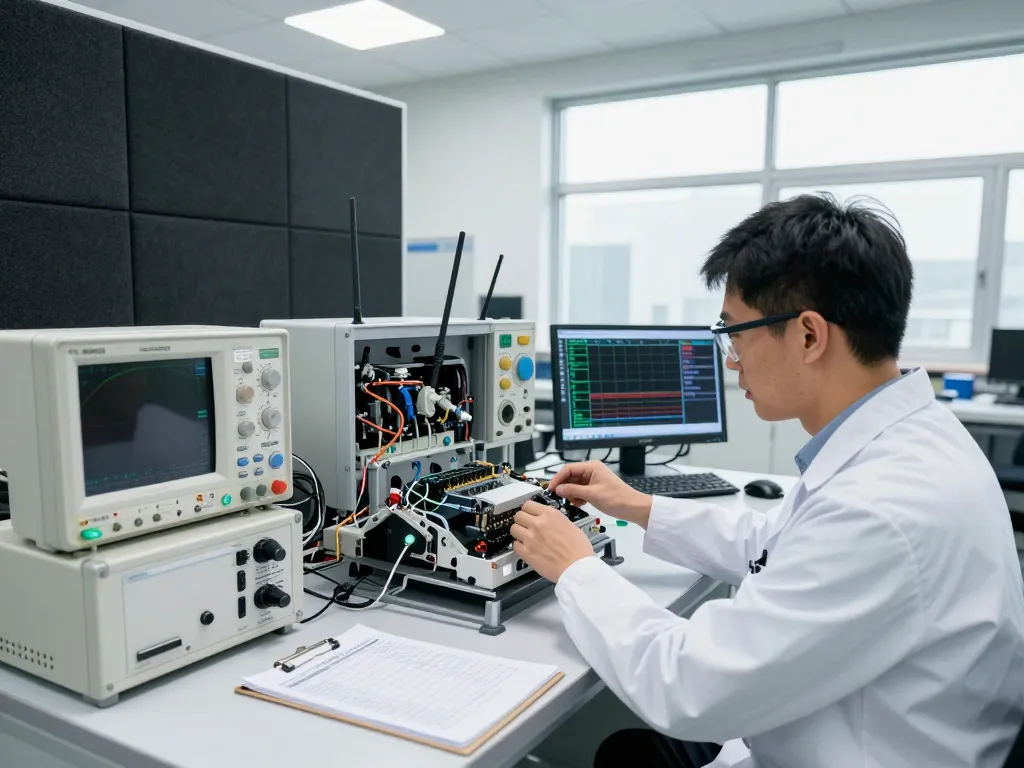
Introduction to Automotive EMC Testing
In today’s automotive landscape, the integration of advanced electronics is crucial for the performance and safety of vehicles. However, this increased complexity brings about significant challenges in ensuring electromagnetic compatibility (EMC). Automotive EMC testing is a vital process that guarantees electronic components within a vehicle operate without interference. This type of testing is essential in meeting regulatory standards and ensuring that vehicles are both safe and reliable.
When exploring options, Automotive EMC testing plays a pivotal role in evaluating and certifying vehicle electronics. Diligently conducted tests can prevent costly redesigns and facilitate a smoother path to market by ensuring compliance with applicable standards.
Understanding Electromagnetic Compatibility
Electromagnetic compatibility refers to the ability of electronic systems to function correctly in their electromagnetic environment without causing or experiencing harmful interference. This is especially critical in vehicles where multiple electronic devices interact, ranging from engine control units to infotainment systems. Understanding the principles of EMC is fundamental for manufacturers aiming to design products that fulfill both performance and safety requirements.
The Importance of Automotive EMC Testing
Automotive EMC testing is not just a regulatory hoop to jump through; it is a critical step in the design process that influences vehicle reliability and safety. Modern vehicles incorporate a plethora of electronic systems that must coexist without interference. As vehicle technology evolves, so do the testing requirements, making it imperative for manufacturers to stay ahead of the curve.
Regulatory Standards and Compliance Requirements
Compliance with regulatory standards is essential for automotive manufacturers. Standards such as ECE Regulation 10 (R10), ISO 16750, CISPR 12, and CISPR 25 lay the groundwork for EMC testing. Each standard outlines specific testing protocols and acceptable limits for emissions and immunity, ensuring that vehicles perform reliably under various operating conditions. Navigating these regulations can be complex, but adherence is crucial for market access and consumer safety.
Challenges in Automotive EMC Testing
Common Misconceptions About EMC Testing
One of the prevalent misconceptions regarding automotive EMC testing is that it is only necessary for high-tech vehicles. In reality, all vehicles, regardless of the technology they incorporate, must undergo EMC testing. Failure to recognize this can result in compliance issues and product recalls, ultimately impacting brand reputation and financial performance.
Identifying Key Obstacles in Compliance
Manufacturers often face numerous obstacles in achieving EMC compliance. These can include inadequate testing facilities, lack of expertise in EMC issues, and insufficient funding for comprehensive testing programs. Addressing these challenges is crucial for streamlining the compliance process and ensuring that all vehicle systems perform optimally.
Impact of Non-Compliance on Vehicle Performance
Non-compliance with EMC standards can have serious implications for vehicle performance. Failures may lead to operational disturbances in safety-critical systems, resulting in potential safety hazards. Additionally, non-compliance can result in costly liability issues and damage to a manufacturer’s reputation, making adherence to EMC standards a top priority.
Best Practices for Successful Automotive EMC Testing
Preparing Your Vehicle for Testing
Preparation is key to successful EMC testing. Manufacturers should implement a thorough review of their designs and systems, ensuring that they are configured to minimize electromagnetic interference. This includes shielding sensitive components and employing proper grounding techniques, which can significantly enhance test outcomes.
Utilizing Advanced Testing Facilities for Accurate Results
The use of state-of-the-art testing facilities can greatly improve the accuracy of EMC testing. Advanced laboratories equipped with the latest technology allow for comprehensive testing across various frequencies and conditions, providing manufacturers with reliable data needed for compliance.
Incorporating Design Modifications for Enhanced Compliance
Often, initial designs may not meet EMC requirements, necessitating modifications. This could involve redesigning circuit layouts, enhancing shielding, or implementing filtering measures to reduce emissions. Early incorporation of these design changes leads to improved compliance and minimizes retesting costs.
Case Studies: Success Stories in Automotive EMC Compliance
Innovative Solutions from Leading Automotive Manufacturers
Leading automotive manufacturers have embraced innovative solutions to enhance their EMC compliance. For instance, one major automaker successfully integrated a modular design approach, allowing for easy adjustments and retesting as needed, thereby improving their compliance rate significantly.
Real-World Applications of EMC Testing Insights
Real-world applications of EMC testing insights reveal how potential issues can be detected and addressed before product launch. By employing rigorous pre-compliance testing, manufacturers can uncover interference sources in their designs and make necessary enhancements prior to the official compliance testing phase.
Lessons Learned from Failed Compliance Attempts
Failures in compliance testing often provide valuable lessons for manufacturers. A notable case involved a major brand facing a product recall due to EMC issues that had gone undetected prior to market release. This situation underscored the importance of thorough EMC testing throughout the product development cycle to avoid similar pitfalls.
Future Trends in Automotive EMC Testing
Emerging Technologies Affecting EMC Testing
As automotive technologies evolve, so too will the techniques used for EMC testing. Emerging technologies such as connected vehicles and electric powertrains introduce new challenges, necessitating updated testing methodologies to address unique electromagnetic environments.
Predictions for Regulatory Changes Post-2026
Looking ahead, changes in regulatory landscape are expected to reflect advancements in vehicle technology. Manufacturers should prepare for more stringent requirements, especially concerning autonomous vehicles and electric mobility, which will demand enhanced EMC testing protocols.
The Role of AI and Machine Learning in Testing
AI and machine learning are poised to revolutionize automotive EMC testing. By utilizing these technologies, manufacturers can analyze vast amounts of data more efficiently, identify potential EMC issues early in the design phase, and optimize their products for compliance with an unprecedented level of accuracy.
What factors affect the cost of Automotive EMC testing?
Several factors impact the cost of automotive EMC testing, including the complexity of the vehicle systems, the number of tests required, and the specific regulatory standards that must be met. Investing in comprehensive testing early in the design process can ultimately lead to cost savings by preventing late-stage compliance-related modifications.
How long does Automotive EMC testing typically take?
The duration of automotive EMC testing can vary based on the complexity of the vehicle systems and the testing protocols required. Manufacturers should allocate sufficient time for thorough testing and analysis, typically ranging from weeks to several months, depending on the extent of modifications needed.
What are the common tests involved in the Automotive EMC process?
Common tests in the automotive EMC process encompass radiated and conducted emissions testing, immunity testing against electromagnetic interference, and susceptibility assessments. These tests are designed to evaluate how vehicle components react under different electromagnetic environments.
How can manufacturers prepare for Automotive EMC compliance?
To prepare for automotive EMC compliance, manufacturers should prioritize early testing and validation of vehicle designs. Additionally, collaborating with EMC testing experts can help identify potential issues before they escalate into costly problems during the certification process.
What are the consequences of failing EMC testing?
Failing EMC testing can lead to severe consequences, including the need for costly redesigns, product recalls, and legal liabilities. Ensuring compliance is not just about passing tests; it is about safeguarding the brand reputation and ensuring customer trust in the products offered.